Genocide in Gaza: A People Who Want to Live on a Land Reduced to Rubble
After years of war, Gaza has been left devastated, with families torn apart, neighborhoods reduced to rubble, and millions struggling for shelter and basic necessities. Yet amid the destruction, its people continue to hold on to a simple, universal hope: to rebuild their homes, return to their schools and workplaces, and live in dignity and safety like people everywhere else in the world.
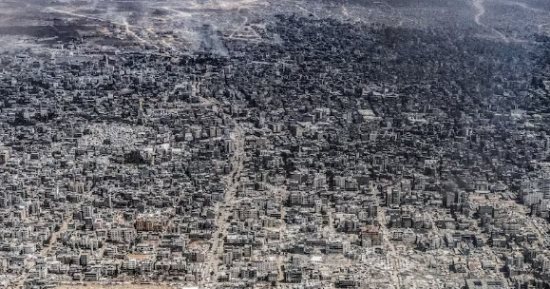
Gaza – Palestine24
Gaza wants to live.
Its children want to wake up to the sound of school bells, not explosions. Mothers want to prepare meals for their children instead of spending hours searching for bread and water. Fathers want to return to work, students to their universities, and patients to hospitals capable of treating them.
The people of Gaza want what people everywhere want: a safe home, food, clean water, education for their children, treatment for the sick, and a night in which they can sleep without fearing death.
But after years of war, Gaza’s landscape has been transformed almost beyond recognition.
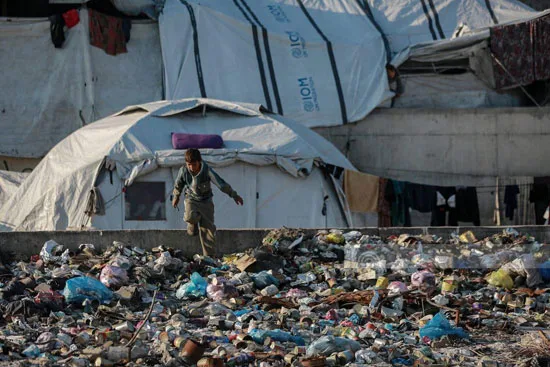
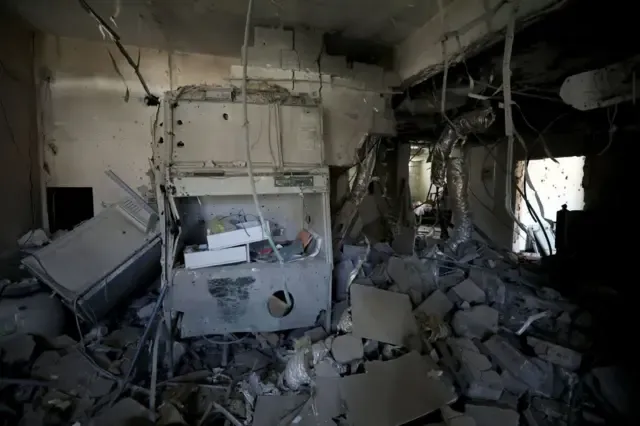
Neighborhoods once full of life have been reduced to rubble. Homes have disappeared. Schools, universities, hospitals, infrastructure and essential services have been destroyed or damaged. Families who lived in the same place for generations now find themselves in tents or inside damaged buildings they fear could collapse.
In September 2025, the United Nations Independent International Commission of Inquiry concluded that Israel had committed genocide against Palestinians in the Gaza Strip, finding that four of the five acts defined under the Genocide Convention had been committed.
Gaza Was Home — Now Much of It Is Rubble
Before the war, Gaza was not simply a besieged strip of land on a map.
It was neighborhoods and streets, markets and schools, universities, mosques and churches, hospitals and cafés, and a Mediterranean shoreline where families gathered.
It was home to more than two million Palestinians.
Today, large parts of Gaza look entirely different.
By 2026, shelter had become one of the greatest challenges facing the population. The United Nations reported that around 1.98 million people — 94% of Gaza’s population — needed shelter and essential household assistance.
Many families are therefore living in tents, displacement sites, or damaged buildings, even when they know those structures may no longer be safe.
Entire Families Killed, Generations Lost
But Gaza’s loss cannot be measured in destroyed buildings alone.
The greatest loss is human.
Throughout the war, members of entire families have been killed together inside their homes. In some cases, parents, children, grandparents and grandchildren were killed in the same strike or series of attacks.
The United Nations has documented hundreds of families that lost large numbers of relatives. Palestinians have frequently used the painful expression “entire families erased from the civil registry” to describe cases in which all or large numbers of family members were killed.
A home was not the only thing destroyed.
A life that existed inside it was destroyed with it.
Family photographs whose subjects are no longer alive. A child’s bedroom to which no child will return. A table around which a family once gathered. Memories buried beneath concrete and twisted metal.
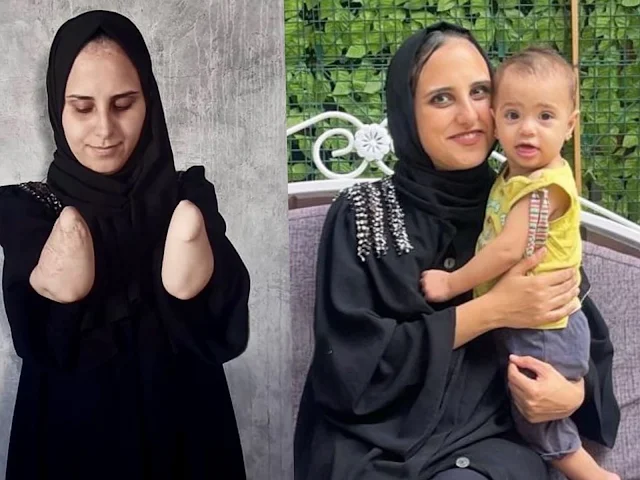
In some cases, a single survivor has been left carrying the names and memories of an entire family.
More Than 75,000 Violent Deaths in an Independent Early Estimate
Even official casualty figures may not fully capture the scale of the human loss.
An independent population survey published in The Lancet Global Health estimated approximately 75,200 violent deaths by January 5, 2025 alone — before further deaths occurred during the subsequent period of the war.
Children, women and older people accounted for a substantial share of those killed.
But behind every number is a human story.
A child who never reached their first birthday.
A student who never returned to school.
A mother killed alongside her children.
A grandparent who became the sole survivor of a large family.
An injured person pulled from beneath the rubble only to discover that the life they knew had disappeared.
When Residential Neighborhoods Became the Scene of Overwhelming Firepower
The Gaza Strip has been subjected to extensive use of explosive weapons and massive firepower in an extraordinarily densely populated environment.
The types of weapons and munitions used, and the manner in which some were deployed in civilian areas, have prompted international investigations and concerns over compliance with international humanitarian law, particularly the principles of distinction, proportionality and precautions to protect civilians.
The consequences are visible across Gaza:
Homes collapsed.
Streets disappeared.
Neighborhoods became unrecognizable.
Bodies remained buried beneath the rubble.
Recent estimates put the amount of debris in Gaza at approximately 61 million tonnes, while thousands of bodies are believed to remain beneath the ruins.
An Enormous Military Power Facing a Besieged Population
Israel says its military operations followed the October 7, 2023 attacks and were conducted in self-defense, and that its target is Hamas rather than the Palestinian population.
Yet the war has unfolded amid an enormous imbalance in military power.
Israel possesses a state military, an air force, fighter aircraft, tanks, artillery, drones, missiles, advanced intelligence capabilities and sophisticated defense systems.
Gaza, by contrast, has no state army, no air force, no fighter jets, no tanks, and no advanced military systems comparable to Israel’s military arsenal.
At the center of this overwhelming imbalance were more than two million Palestinians living within a small and besieged territory, while homes, neighborhoods and civilian infrastructure bore devastating consequences.
Death Did Not Come from Bombs Alone
A person could survive an airstrike only to face another struggle.
Where could they find food?
Where could they find clean water?
Where could they sleep after their home was destroyed?
How could they obtain medicine for their child?
And where could an injured person receive treatment when hospitals themselves lacked medicines, equipment and energy?
At different stages of the war, severe restrictions and closures affected the entry of food, medicines, fuel, humanitarian assistance and other essential supplies.
By August 2025, the food crisis had reached the point at which the Integrated Food Security Phase Classification (IPC) confirmed famine in Gaza Governorate.
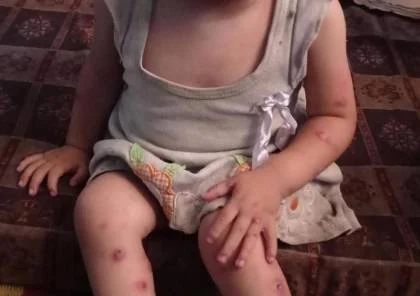
A person who survived the bomb could therefore still face hunger, thirst, disease and displacement.
Children Who Want to Return to School
Perhaps Gaza’s children best explain the kind of life its people are asking for.
They are not asking for anything extraordinary.
They want a schoolbag, a book and a classroom.
They want a playground instead of rubble.
A bed instead of the floor of a tent.
A light under which they can study instead of darkness.
Despite the destruction, efforts to restore education have continued. By September 2026, the United Nations and humanitarian partners were working to clear debris from educational facilities, rehabilitate classrooms and establish temporary learning spaces.
Amid the ruins, children continue trying to learn.
That may be one of the most powerful images of Gaza today: life struggling to return from beneath the rubble.
Gaza Does Not Want to Depend on Aid Forever — It Wants Its Life Back
The people of Gaza urgently need food, medicine, shelter, clean water and humanitarian assistance.
But they do not want their lives to become an endless wait for an aid truck.
They want to rebuild their homes.
Fishermen want to return to the sea.
Farmers want to return to their land.
Journalists want to return to their newsrooms.
Doctors want functioning hospitals.
Students want their universities.
Children want their schools.
And displaced families want to fold up their tents for the last time and return to real homes.
Genocide Is Not Only a Number of Deaths
This is why the discussion of genocide in Gaza cannot be reduced to casualty figures alone.
In September 2025, the UN Independent International Commission of Inquiry said it found that Israel had committed four of the five acts listed in the Genocide Convention: killing members of the group; causing serious bodily or mental harm; deliberately inflicting conditions of life calculated to bring about the group’s physical destruction in whole or in part; and imposing measures intended to prevent births.
The Commission concluded that the required genocidal intent existed and found Israel responsible for committing genocide in Gaza.
Israel rejects this conclusion. Meanwhile, the International Court of Justice has not yet issued a final judgment on the merits of South Africa’s genocide case against Israel.
Gaza Wants to Live
Amid all these statistics, perhaps the simplest human truth is this:
Gaza wants to live like the rest of the world.
A Palestinian child does not want to become a number in a news bulletin.
A mother does not want her greatest ambition to be finding enough food for her children.
A father does not want to spend his life in a tent.
A student does not want their university to become a memory beneath the rubble.
Gaza wants to rebuild its homes, reopen its schools, universities, hospitals and shops, bring life back to its streets, cultivate its land, and allow its children to grow up knowing the meaning of a future rather than the meaning of displacement.
Gaza has endured immense destruction, but its people have not lost their desire to live.
From among the rubble, a child returns to learning. Inside a tent, a mother prepares food for her family. Among shattered buildings, a shopkeeper opens what remains of his store. Doctors continue treating patients, journalists continue documenting what is happening, and families continue trying to build another day.
Rebuilding Gaza is not merely about rebuilding concrete and stone.
It means giving a child a home.
A student a school.
A patient a hospital.
A family a livelihood.
And an entire society the chance to live with dignity.
Gaza is not asking for a different life from everyone else. It is asking for the right to live: for children to have a future, families to have homes, patients to receive treatment, students to have schools, and people to begin a day without fearing that it may be their last.
After so much death, Gaza wants life. After so much destruction, it wants to rebuild. And after years of loss and displacement, more than two million people want to live in dignity and safety, just like people everywhere else in the world.